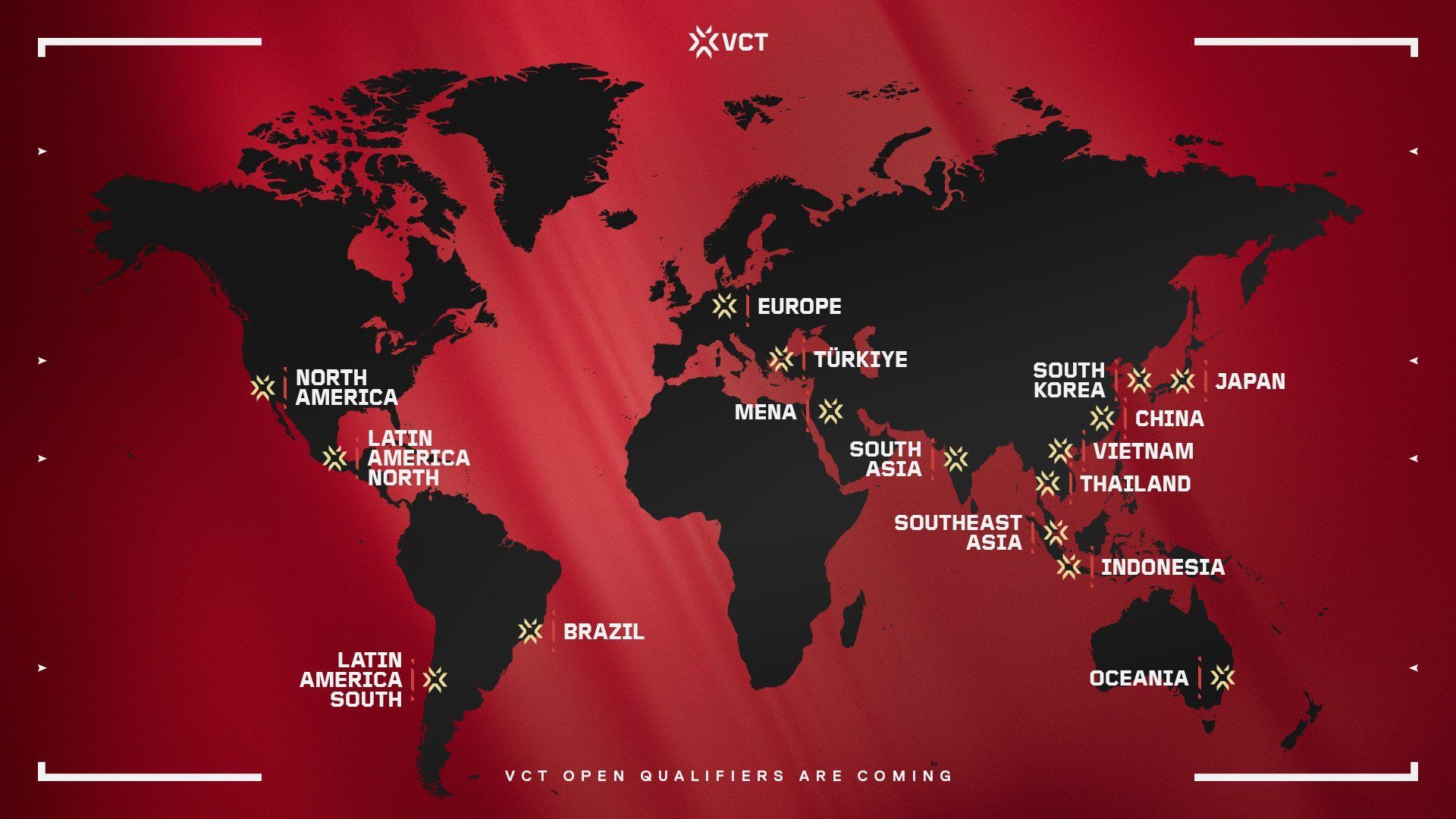
In just a few days,
VALORANT Champions 2026 will get underway in Shanghai to bring the 2026 VCT season to a close. Meanwhile, most of the other VCT and VCL teams have already ended their seasons and are well into managing their respective offseasons. Some will need to move quickly, as competition could resume even earlier than in previous years, with the first matches potentially taking place as early as November.
Earlier this year, Riot Games announced a complete overhaul of the
VALORANT competitive format, which will come into effect in 2027. With the number of partnered teams dropping from 10 to eight and a much more open circuit throughout the season, one of the goals is to give more teams that have so far competed in Tier 2 the opportunity to reach the VCT level and compete internationally.
In EMEA, where the recent Stage 2 playoffs showed that the gap between VCT and VCL teams was much smaller than it might have seemed, organizations from the regional leagues have welcomed the change. “This system has the potential to create exciting stories from both a player and a team perspective,” explains Maximilian Brömel, General Manager Business Area at Eintracht Frankfurt Esports, whose team, which competed in VCL DACH, reached the VCT EMEA Stage 2 playoffs this year. “It’s always positive to have an open circuit where everyone has the opportunity to build their own path to the top, from a group of friends to a major professional club,” adds Jordi Guarte, Head of Barça eSports.
A change in roster building?
Having already established themselves in the Tier 2 scene, most of these organizations also applied for a spot in the league as partnered teams. Their chances of being selected may vary, but their determination to enter the league remains strong. Despite this, teams must move quickly during the offseason because, even though VCT competition is still ongoing, those that fail to join the VCT partnership program will have to go through Open Qualifiers as early as November. “I think it will be easier for the partnered teams, but if you haven’t been selected or you don’t know whether you will be, things will be more complicated,” Jordi Guarte admits.
“When recruiting players, you need to know what conditions you can offer them. Right now, you’re in a situation where funding your team is complicated because you don’t know what you’re selling to your sponsors,” explains Nicolas "Meteora" Di Martino, co-founder and CEO of Mandatory, one of the organizations with the longest-standing presence in the French league.
Samuel Benitah, co-owner of Joblife, another team competing in the French league, explains that his organization would normally prefer to wait until the last minute before building its roster. “I’ve often picked up players that other teams didn’t want, and I’m perfectly fine with that. They’re players who need to prove themselves because they want to climb back up.” That approach could prove more difficult to implement with the increasingly tight turnaround between the end of one season and the beginning of the next.
A risk to investment
At the same time, the arrival of the new formats comes with its own set of constraints and concerns surrounding the uncertainty they represent. “Clubs will have to be even more careful with their investments, overall management, and day-to-day operations, as not making it through the Open Qualifiers could have a significant impact on their visibility, as well as on their sponsors and potential renewals in the future,” explains Jordi Guarte from Barça, a sentiment also echoed by Meteora at Mandatory. “Before, you invested in content around a certain number of matches in the league. Even if you didn’t make the playoffs, you still had your 10 or so matches to play. Now, you’re investing for a chance to create content. That’s not the same thing.”
There is also a growing sense that, while many teams could take advantage of the new format to enter the Qualifiers, this model may not remain sustainable in the long term. Only financially stable organizations may be able to afford to build rosters strong enough to dominate the Qualifiers and eventually reach the VCT. Answers to these questions will likely emerge soon, once Riot Games reveals the formats for the Open Qualifiers. Free Agency is set to open on November 2, while the Qualifiers are scheduled to begin in mid-November.