According to Riot’s latest
dev update released Tuesday,
Team Voice is coming to
League of Legends with Patch 26.20 on October 7, but
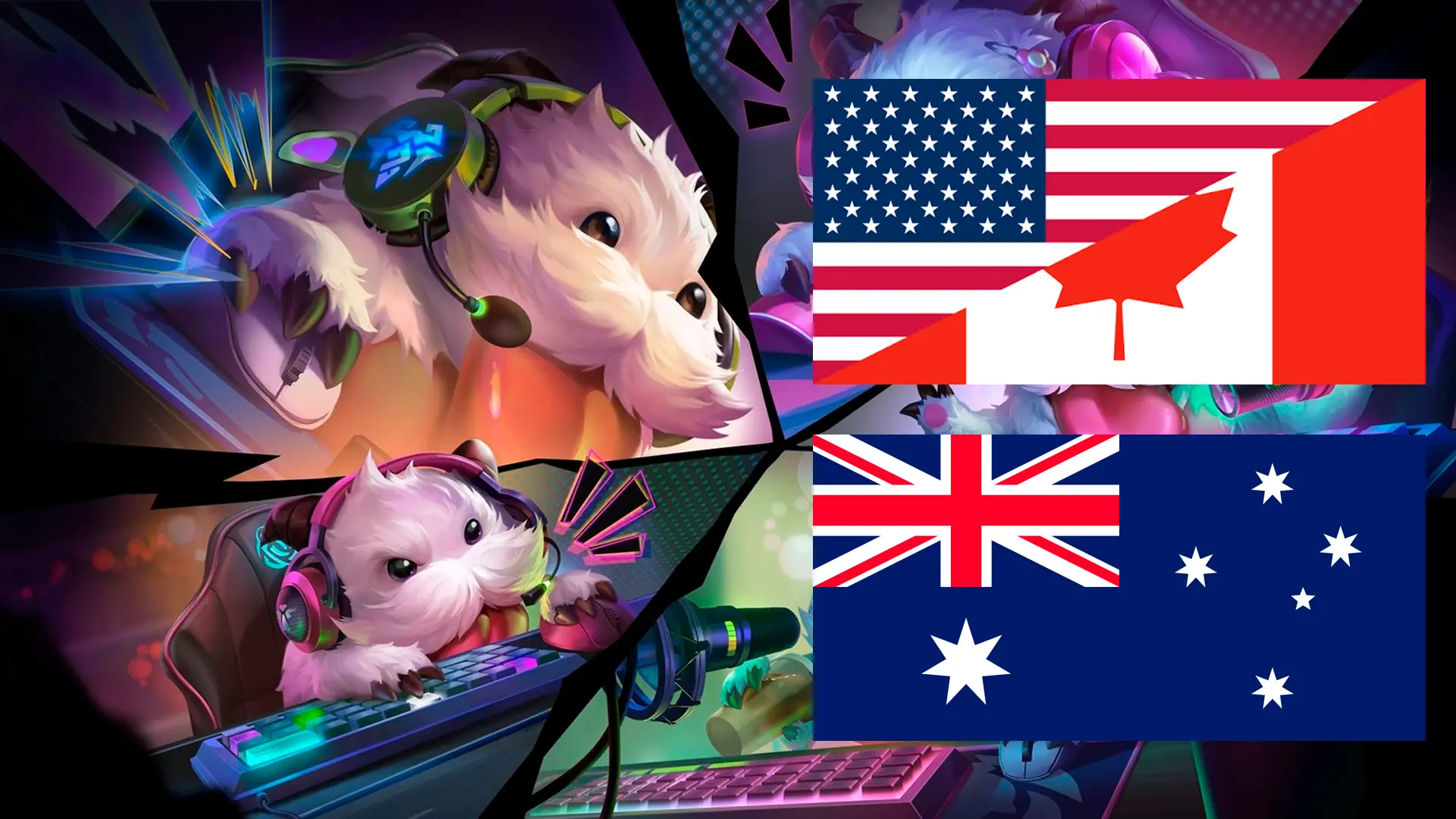
only in North America and Oceania. The feature will include voice modulation and an expanded behavior system designed to limit bad actors. Players below Honor Level 3 will be unable to speak, though they will still be able to listen.
The feature will then expand to Korea, LATAM, and Brazil depending on its success in the first two regions. However, its arrival in Europe appears to be significantly delayed, as Riot’s Meddler explained: “I believe that's because EU has some of the widest variety of different languages spoken, so will be more complex from a team voice detection and moderation perspective.”
Linguistic Complexity as a Barrier
Meddler later added: “We're starting with regions with less complexity while we test and work on the system, then will look to expand to more complex regions over time.” Indeed, while North America and Oceania also have a degree of linguistic diversity, English is the most commonly spoken language across both regions, making them easier environments for Riot to moderate.
In Europe, things become more complex, with around 40 official languages spoken across the continent. This is further compounded by languages spoken in countries surrounding Europe whose players use the EUW server, such as North Africa. As a result, the server is highly diverse in terms of language, making it a more challenging environment for Riot Games’ detection and moderation systems.
A Game Changer Tool
The fact that the feature will only be available for players at Honor Level 3 or above already makes the tool more selective, with lower-Honor players only able to listen to others. Team Voice could truly be a game changer for League of Legends, especially in solo queue, where better communication could open a new era for the game’s most-played mode.
Voice Comms are already present and actively used in
VALORANT, where they are a central part of the gameplay experience in another of Riot Games’ flagship titles. In
League of Legends, there will obviously be no obligation to use the feature, as chat and pings will remain widely used tools for communicating in-game.