The
2026 Esports World Cup may still sit below Mid-Season Invitational in terms of pure viewership, which is hardly surprising given MSI’s prestige and its format, but the tournament is clearly moving in the right direction.
Compared to its 2025 edition, EWC posted strong growth across the board: average viewership rose by 33.5%, peak viewership increased by 22.2%, and total hours watched climbed by approximately 30%, all while the event ran for a shorter duration than it did last year.
Esports World Cup 2026 viewership statistics. Credit: EsportsCharts.com
What makes those numbers even more interesting is that they can be compared directly to First Stand 2026, which took place earlier this year. First Stand is still a relatively new event in the League of Legends calendar, having only been introduced in 2025, while EWC has existed since the summer of 2024. In other words, the two tournaments are still in their early stages of development, and both are already showing encouraging signs of growth.
A close comparison
The gap between the two events is narrower than it first appears. EWC 2026 recorded 37 hours and 20 minutes of airtime, compared to 40 hours and 50 minutes for First Stand 2026, yet the total hours watched ended up being almost identical.
Average viewership also edged higher at EWC, reaching 632,619 viewers against 604,470 for First Stand. This translates to a higher engagement from viewers throughout the whole event.
EWC 2026 and First Stand 2026 viewership statistics. Credit: EsportsCharts.com
Peak viewership, however, remained much closer. EWC’s high point came during the playoff
semifinal between T1 and Karmine Corp, a best-of-three that drew nearly as many viewers as the First Stand final between G2 Esports and Bilibili Gaming, a best-of-five that was supposed to be the event’s biggest draw. That alone says a lot about how quickly EWC has established itself as a relevant stop on the competitive calendar that can draw attention.
Different formulas
The two tournaments, however, are not built the same way. They do not feature the same number of matches per day, the same number of teams on site, the
same financial stakes, or even the same production approach.
EWC also benefits from
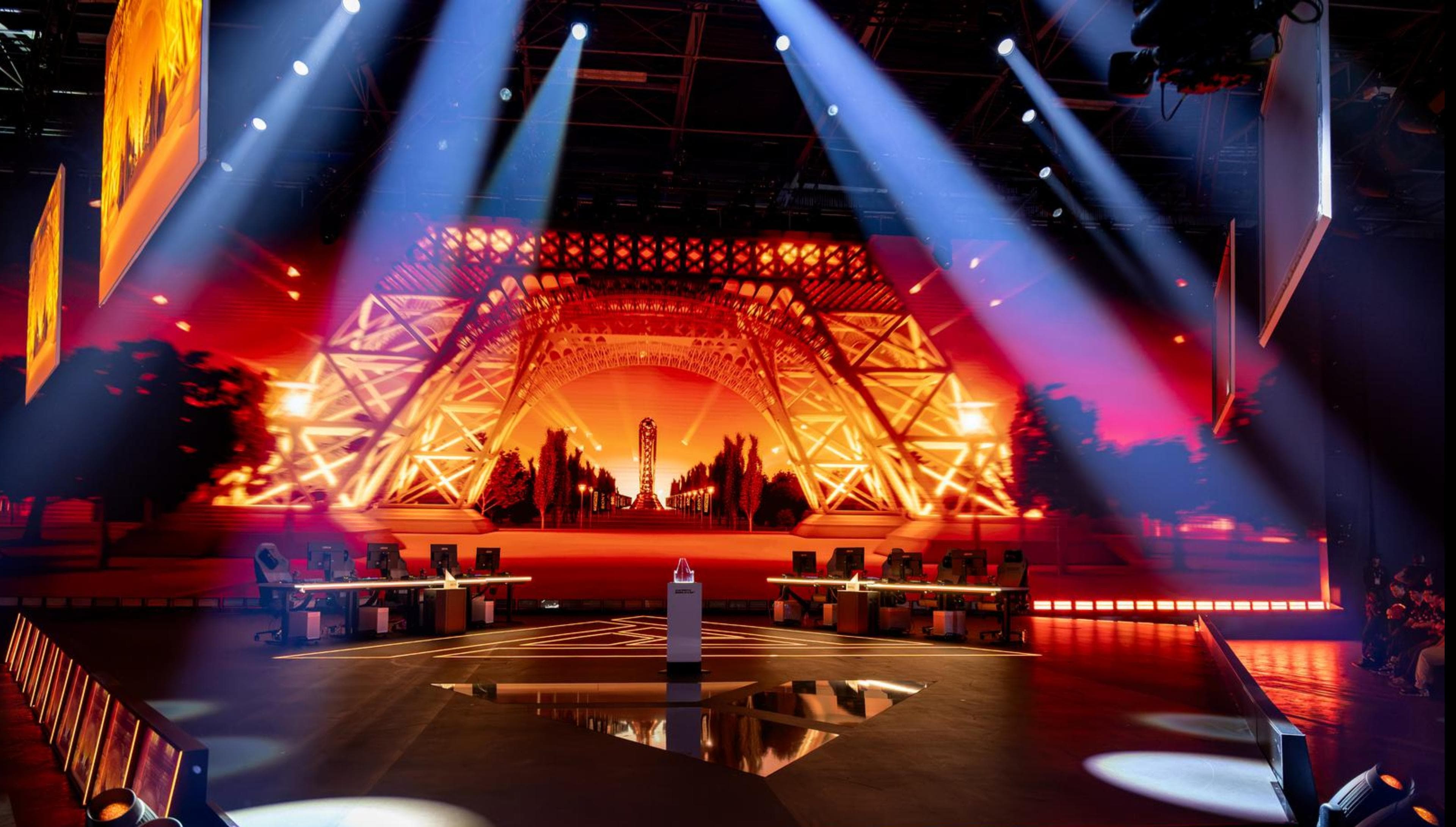
being held in France this year, where the crowd atmosphere has clearly helped the event’s identity, while First Stand was shaped by a very different setup and audience profile, being played in Brazil, in a very unusual timezone for matches to be watched in Europe, China, and South Korea.
The bracket and group structures also create very different viewing experiences. Yet despite all those contrasts, both events now occupy a similar place in the year: close enough to MSI to feel like part of the same competitive wave, but different enough to produce their own stories. That overlap is part of what makes the comparison so useful.
Lessons for Riot
On paper, the event may not have the same symbolic weight as MSI, but it has generated strong sporting stories and a healthy amount of unpredictability. KC’s deep run to the final,
where they eventually fell to Dplus KIA, came after victories over heavyweights like
and
, which helped give the tournament a sense of chaos that fans tend to love.
That kind of volatility may matter more than it seems. Coming right after MSI, EWC adds to an already packed schedule and puts more strain on players and teams, but it also broadens the competitive picture. If anything, its results have reinforced the idea that the 2026 season may be more open than expected, with upsets feeling more plausible than ever. And with Worlds still ahead, that is a promising sign for anyone hoping for a more unpredictable end to the year.