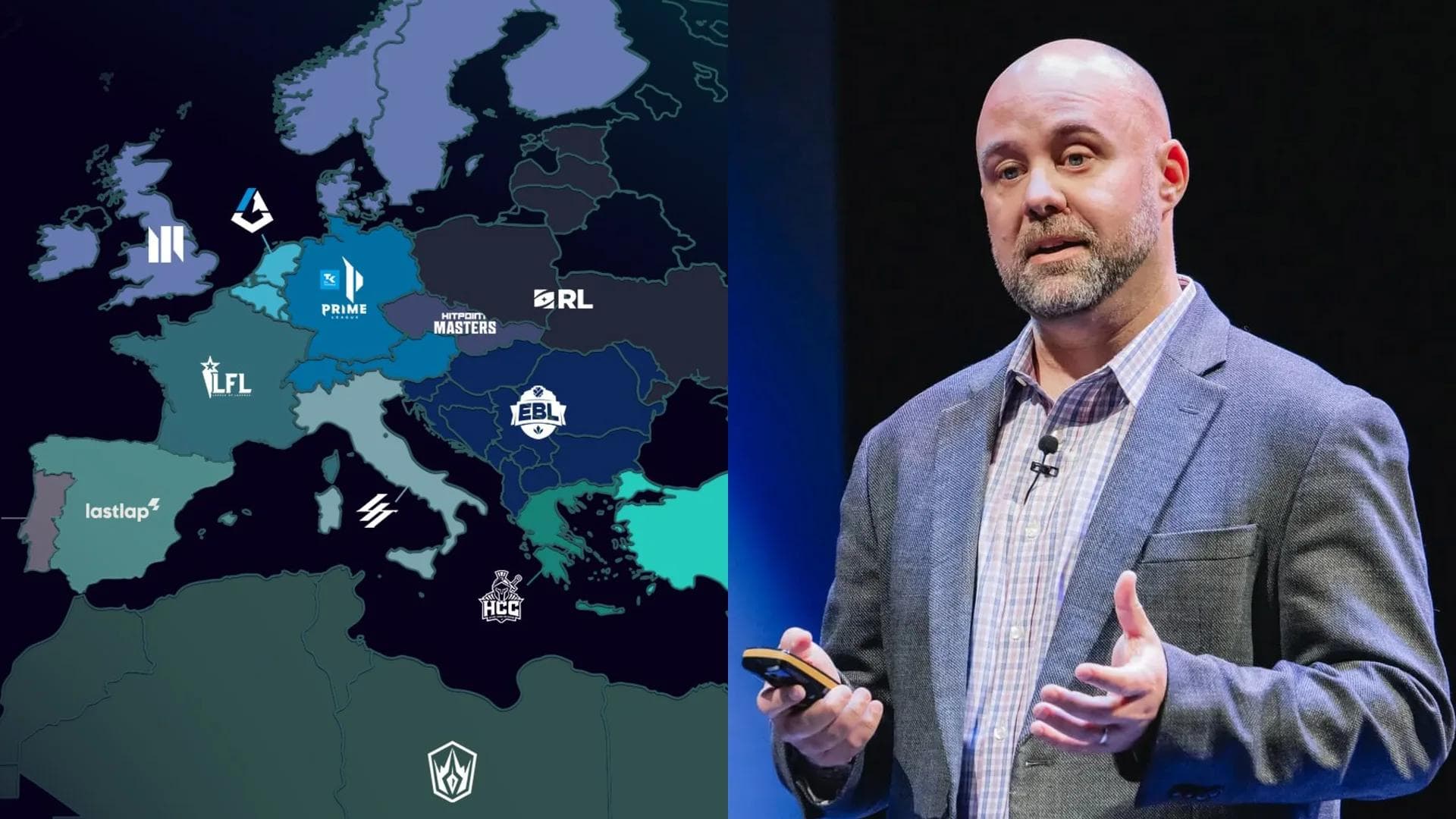
Chris Greeley, Riot Games' global head of
League of Legends esports, outlined key challenges facing the competitive ecosystem in an interview with
Dot Esports following Worlds 2025, emphasizing Tier 2 sustainability, regional disparities, and the responsible expansion of sponsors such as betting. While celebrating
T1’s three-peat, Greeley stressed the need for structural reforms to support emerging talent and ensure long-term viability.
Greeley highlighted Tier 2 instability as a central issue, comparing it to baseball: “It’s been really hard to get sponsorship interest at that level. It’s kind of like, I always compare it to the US Minor League Baseball, where there are some very hardcore fans who really want to watch the development of talent, but it’s harder to find investment into that level.”
“There are a lot of problems to solve"
He admitted the current setup is insufficient, explaining that “Tier 2 is an area that we have not quite figured out yet... I certainly cannot say that tier 2 feels sustainable for the teams and pros who are at that level.” Greeley indicated Riot is exploring a global Tier 2 hub to foster cross-regional training, though he acknowledged this remains a work in progress: “There are a lot of problems to solve and we just, we do not have a lot of great answers right now, but we’re trying to work through them.”
Regional gaps exacerbate these issues, notably Korea’s dominance over other leagues. He explained in the interview, “Part of it is: How do you close the parity gap between the East and West, or really between Korea and everybody else.” Greeley mentioned talent pipelines have been weakened by competition from newer titles like VALORANT, which attract new players. He also explained that development paths are not yet sufficiently structured: “It is still not as streamlined as it could be. It is certainly not as streamlined as many conventional sports, and I think it is different in every region.”
Sponsors that follow the audience
To boost revenue without eroding trust, Riot has cautiously opened sponsorships starting with alcohol and cryptocurrency, and now acceptance of betting. He revealed that going this route is necessary for the future of LoL esports but must be done carefully: “You want to open up the economic opportunity… but you want to do it in a responsible way where you are not trying to lead people down the wrong paths.”
On this point, he added that these sponsors align with the LoL audience: “We understand the makeup of our audience. And when you have a lot of people in their mid-20s, late teens watching, you want to open up the economic opportunity for ourselves, for our teams and sponsors…” “We do have an audience to consider and want to make sure that, ultimately, if fans put their trust in us, that we are not taking advantage of that trust,” he said.
Header Photo Credit: Riot Games